I have spoken to a number of whiskey blenders, masters, and distillers over the course of this column, but many of them have been either from Scotch producers or, the occasional New World one from Australia, Japan and even India.
Surprisingly, I had never spoken to one from the United States, despite the fact that American whiskies are one of the “big three” whiskey sub-categories (alongside Scotch and Irish).
So, when I found out that Sazerac Company’s Master Blender Drew Mayville was in town a couple months back to conduct a masterclass on the company’s range of American whiskies, I jumped at the chance to interview him.
The Sazerac Company is one of the US’ biggest drinks conglomerates, with multiple brands under its umbrella. These include bourbons like Buffalo Trace and Eagle Rare, Sazerac Rye whiskey, Paddy Irish whiskies, Peychaud’s Bitters, Paul John Indian single malt, and many more.
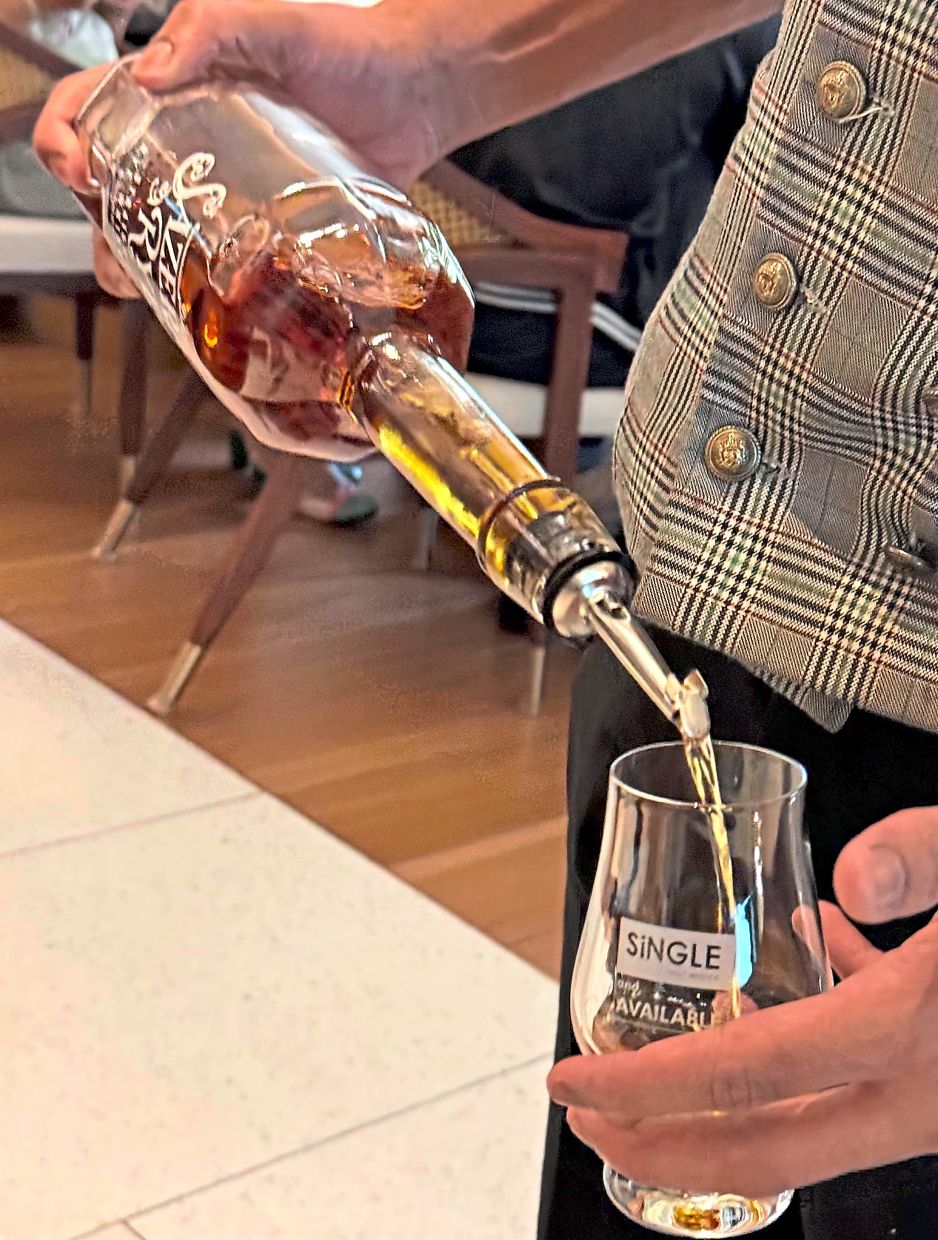
Well, there are not too many of us around, because they don’t like to call themselves blenders! They don’t like to use that term in bourbon, they like to call themselves “tasters” instead.
I think the reason for this is there isn’t a high regard for the word “blending” in the US. A lot of the low-shelf American whiskeys are called American blended whiskeys, so there’s a negative connotation to the word “blend”.
So the industry typically talks more about distilling versus blending.
But all whiskeys are blended, if you think about it, because we’re taking barrels from around the distillery warehouses and blending them together to give you a product that matches a taste profile.
In the US, they like to call it marrying or mingling the barrels together, but I always tell people I refuse to be called the “master mingler”.
My background was blending – I started out at Seagram’s, which was the premier distillery for blending whiskies in the world at the time. That’s where I learned my craft.
I think I’ve done everything. It has been a pleasure, because I got to touch everything at Sazerac.
When I started as a Master Blender for Sazerac 23 years ago, it was just me there. I did everything, so if it was a new product or whatever, I had to do it myself because there was nobody else.
I had a background in blending when I worked for Seagrams, and so I could blend rum, our Irish whiskey Paddy, and all the other products as well. That’s what I’ve been doing over the years. As they grew, we hired more people, for instance we got a Master Blender for the Irish whiskey. But in the beginning there was no one, just me.
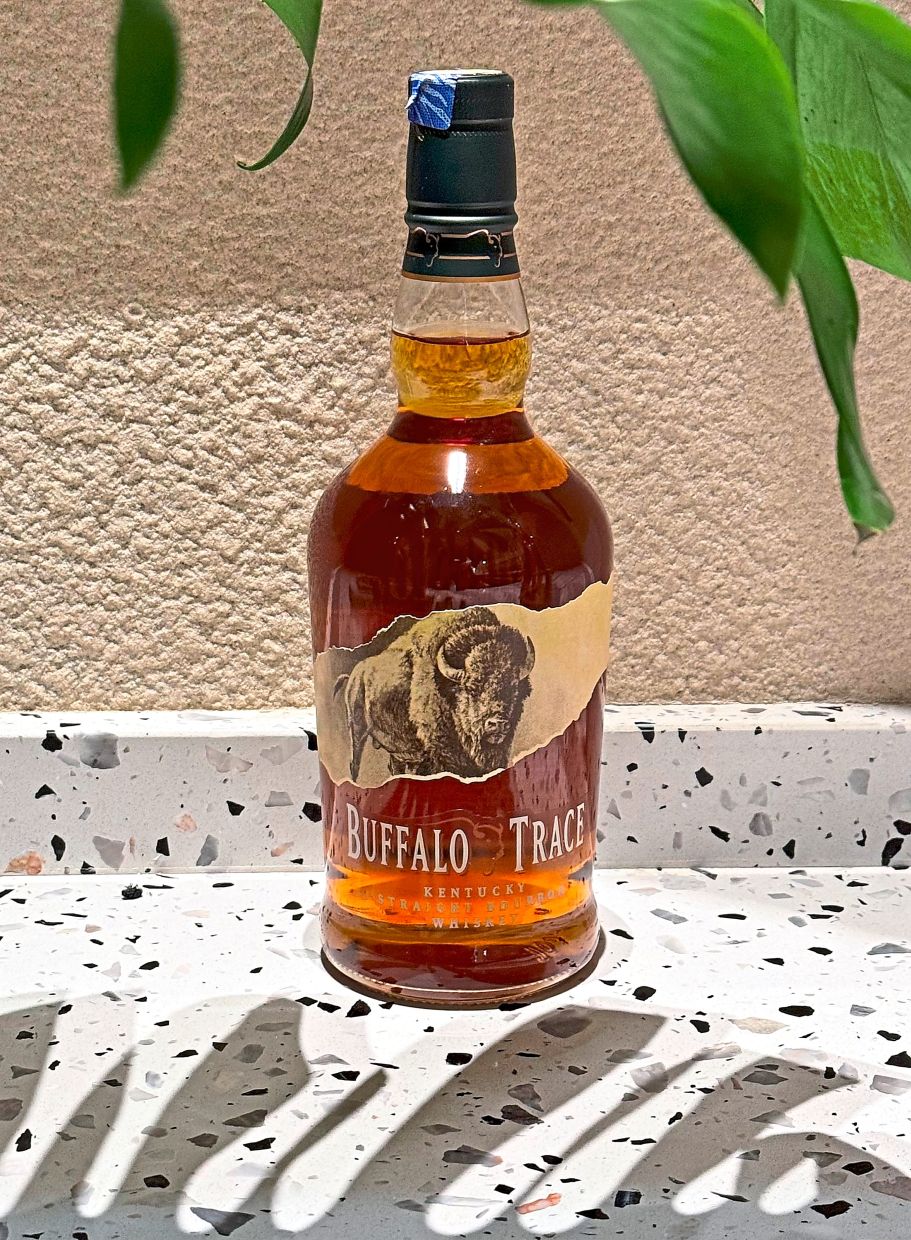
Probably the biggest thing in my career was inventing our bourbon cream, Buffalo Trace Bourbon Cream, which was almost 20 years ago now.
I did everything myself – I developed it, did the sales plan, marketing plan, and I even had to do the packaging because nobody would do that.
It ended up being in our gift shop, and it became the number one selling item in our gift shop!
Our history is cocktails. The first American cocktail was the Sazerac, and it even goes back to when we made it with cognac and rye whiskey back in France.
It has always been part of our culture, and if you go to New Orleans, we have a place called the Sazerac House where we celebrate the art of the cocktail.
It is also partly why American bourbon and whiskey have come back. It didn’t happen overnight, but over many years.
In the US, it was vodka for so many years – everybody was drinking mixed cocktails with vodka.
But then gradually, in the 2000s, bourbons and whiskeys cocktails started to grow, because people wanted more complexity and more premium products, and started appreciating more of the complexity and flavour profiles of these aged goods.
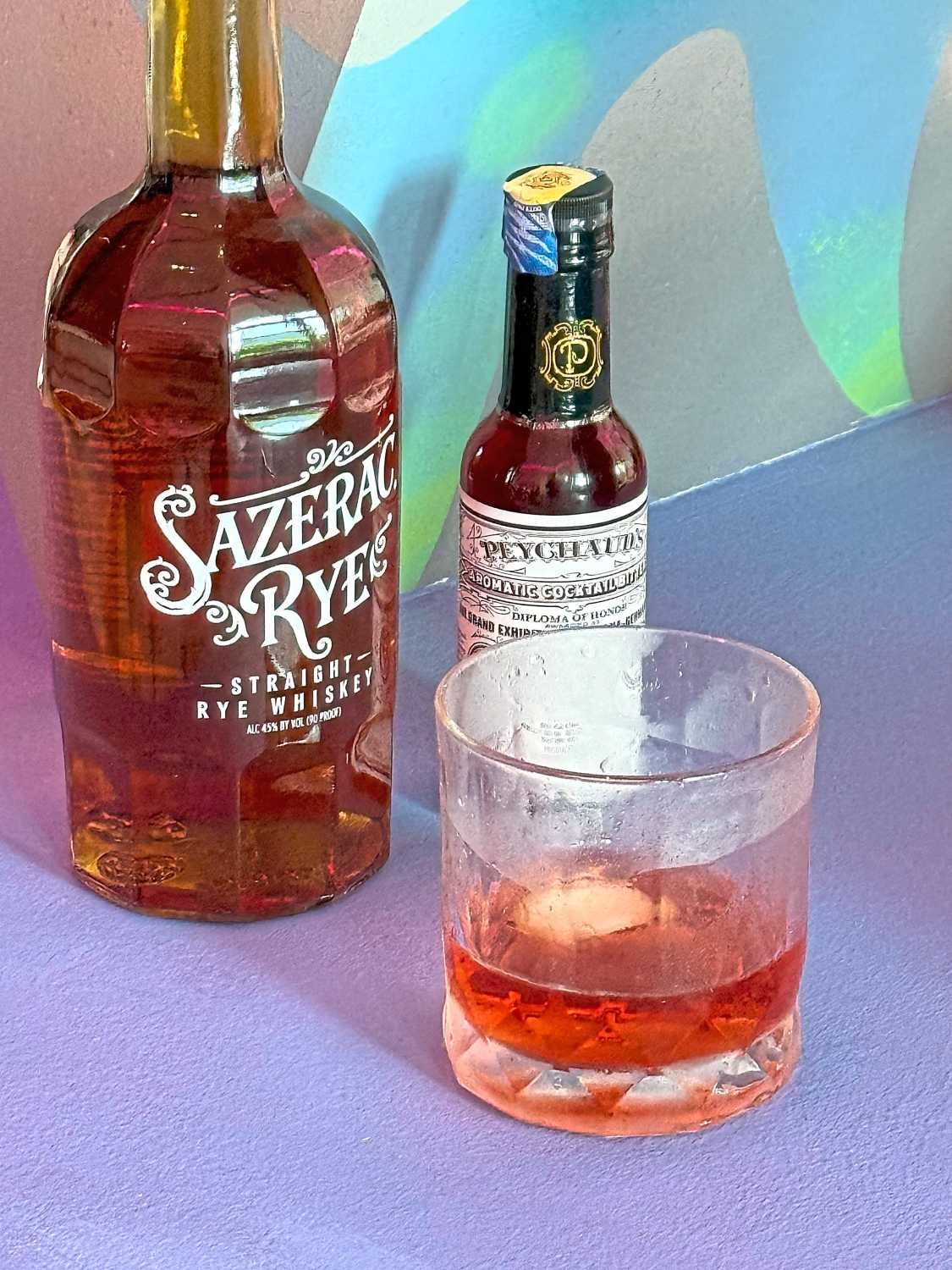
Rye whiskey is difficult because people don’t understand it, and we have to provide more education.
I tell people it’s made the same way as bourbon, except the majority of the grain is rye, which will dominate across the palate.
People like our Sazerac Rye because we balance the sweetness of corn with the spiciness of rye. It has a lot of candied fruitiness up front, because the corn is a higher percentage. Others may have a higher rye content, so you get more spiciness.
I think you either love rye or you don’t like it that much. But when you start using it in cocktails, it just gives you a new exposure to the drink, because cocktails tend to be on the sweeter side, and the rye will come through that sweetness and cut through it.
The stuff I like to do is the blending part, and it’s been fun. So I don’t think there is anything I want to do that I haven’t done.
Probably what excites me is doing what I’m doing now, which is more ambassadorial and training, and seeing the excitement on people’s faces when they try our products. Just meeting the fans and the people who love our products is amazing.
I wish everybody who made whiskey could see how people can be so excited about drinking our products and trying new products with us.
Michael Cheang is quite partial to a good rye whiskey. Follow him on Instagram (@mytipsyturvy) and Facebook (fb.com/mytipsyturvy).