Growing older is a part of life, but that does not mean we have to give up the things we enjoy or our ability to live independently.
However, maintaining an active and independent lifestyle can become more challenging as muscle strength declines, joint pain develops and chronic health conditions emerge.
Managing several medications can also add to the challenges of ageing.
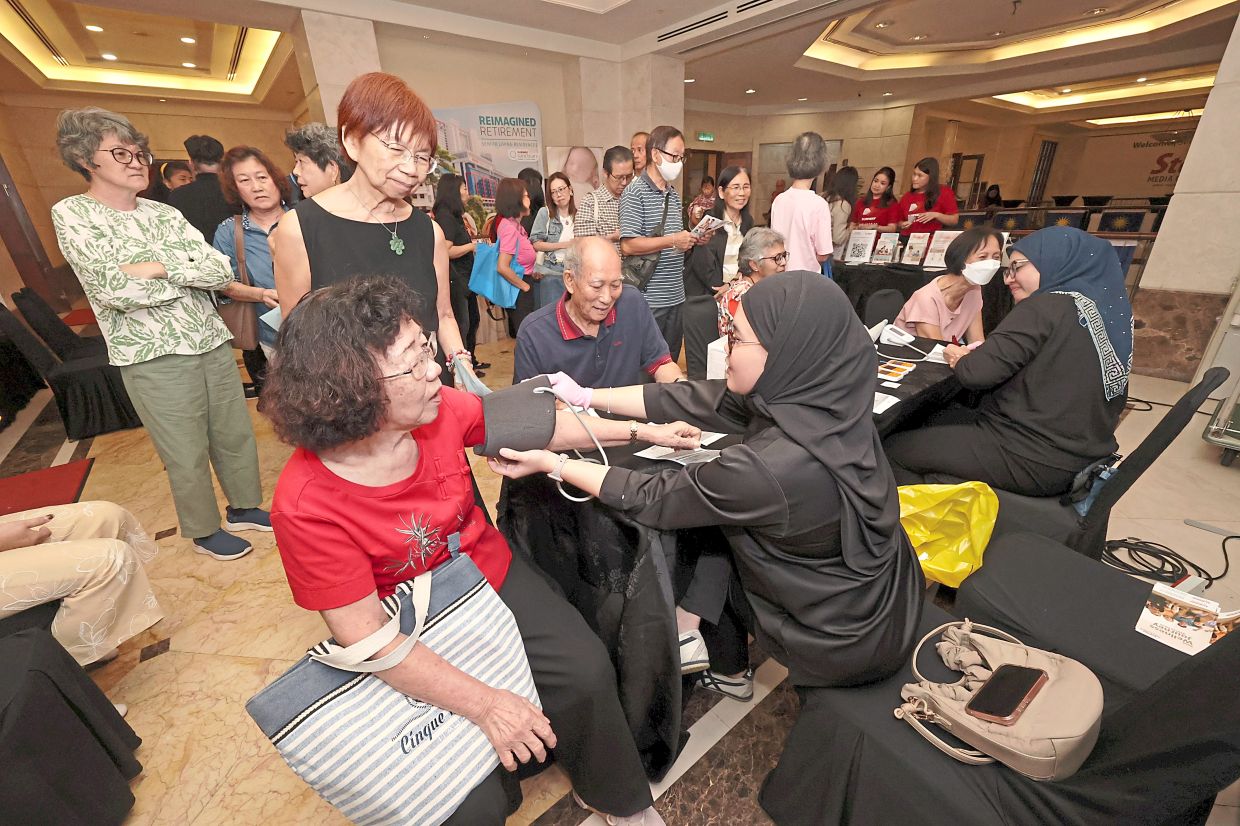
These topics were discussed at the StarLIVE event, The Ageing Roadmap: Spotting the Difference Between Normal Ageing and Red Flags, organised by the Star Media Group (SMG) in partnership with Sunway Medical Centre Damansara (SMCD) on Nov 14 (2026).
Four healthcare specialists shared ways older adults can manage age-related health challenges and maintain their quality of life.
Protecting muscles and bones
Muscle strength and bone health can decline with age, while joint problems may make movement more difficult.
Consultant orthopaedic trauma, arthroplasty and robotic surgeon Dr Juzaily Fekry Leong highlighted three age-related conditions that can affect mobility: sarcopenia, osteoarthritis and osteoporosis.
Sarcopenia, or the loss of muscle strength, can affect walking speed and balance, increasing the risk of falls.
Meanwhile, osteoarthritis-related joint pain may discourage exercise, further weakening the muscles.
Dr Fekry said falls can result in wrist, spinal or hip fractures, with hip fractures being particularly debilitating because of their impact on mobility.
“Hip fracture is the worst fracture.
“It’s because you have lost your mobility. You cannot walk. You cannot stand.
“Every movement is very painful,” he said.
Osteoporosis also increases fracture risk as bones become weak and brittle.
Even a simple fall can result in a fracture, which Dr Fekry said should be treated as a warning sign.
“Osteoporosis is a silent disease.
“You don’t know you have osteoporosis until you have a fracture or you do screening,” he said.
He encouraged postmenopausal women aged around 55 and above to consider bone health screening.
Older adults can also assess their muscle strength by trying to stand up from a chair without using their hands for support.
“If you struggle, you may need to strengthen your muscles.
“If pain is preventing you from standing up independently, that is something we need to address,” he said.

Tailoring diabetes treatment
Managing diabetes in older adults requires an individualised approach, with patient safety taking priority.
Consultant endocrinologist and physician Dr Chan Pei Lin explained that while doctors generally aim to optimise blood sugar control in younger patients, their focus shifts towards safety as people grow older.
One concern is hypoglycaemia, or low blood sugar, which can cause palpitations, trembling hands, hunger and dizziness.
A blood glucose level below 4mmol/L is generally considered low in people with diabetes.
Dr Chan encouraged patients to monitor their blood sugar, including through continuous glucose monitoring (CGM), which tracks readings throughout the day.
Hypoglycaemia can increase the risk of falls and fractures, while certain medication interactions may also trigger low blood sugar.
She also stressed the importance of reviewing diabetes medication to ensure treatment remains appropriate.
Patients should bring an updated medication list or take photographs of their medicines to help doctors identify them.
People with diabetes are also at risk of sarcopenia and osteoporosis.
Dr Chan encouraged older adults to include simple strengthening exercises in their routines.
“You don’t need to go to the gym and start lifting 10kg dumbbells.
“Start light – 1kg, 1.5kg; just do something simple at home,” she advised.
If a patient’s blood sugar control suddenly deteriorates, doctors should investigate the cause rather than immediately increasing medication doses.
Memory problems, for instance, may lead to missed medication.
“We also need to look at their surroundings, their caretakers, who are helping them with their medications and educate them as well,” Dr Chan said.
Managing multiple medications
Taking several medications can pose risks, especially when older adults are being treated by different specialists.
The risk is increased when a person also takes various supplements and herbal remedies.
Consultant physician, gastroenterologist and hepatologist Dr Hoo Chai Zen explained that the liver processes these substances, and excessive use can place it under strain.
“When you overwhelm the liver with high doses of supplements, or too many supplements or drugs, then there will be oxidative stress to the liver because there’s too much burden,” she said.
Liver injury may cause jaundice, which results in yellowing of the skin or whites of the eyes.
Other warning signs include unexplained itchiness, severe abdominal pain, nausea and vomiting.
In serious cases, it may affect brain function or cause bleeding problems.
“If that happens, then really seek attention immediately,” Dr Hoo said, urging patients not to miss the blood tests scheduled by their doctors to monitor possible medication side effects.
She advised patients to keep an updated list of all their medications, including names, dosages and frequency of use, and bring it to every doctor’s appointment.
Protecting brain health
Diet, physical activity and mental stimulation can support brain health in reducing dementia risk, said consultant geriatrician Dr Nordiana Nordin.
She encouraged older adults to choose nutritious, locally-available foods like pink guava, roselle and dragonfruit, which are good alternatives to the more expensive, frequently recommended berries.
“You don’t have to spend so much,” she said.
She also suggested protein- and omega-3-rich foods such as ikan kembung (chub mackerel), ikan senangin (fourfinger threadfin) and sardines, along with dietary approaches such as the Mediterranean and DASH-Mediterranean diets.
In addition, Dr Nordiana encouraged older adults to stay physically active, recommending a daily 30-minute walk.
Social interaction, hobbies and learning new skills can also help keep the brain active.
She also highlighted cognitive stimulation therapy, available at some government and private hospitals, which uses small-group activities to engage thinking skills and encourage social interaction.
Dr Nordiana urged families not to dismiss changes in their loved ones’ behaviour or memory as a normal part of ageing.
“Go to the nearest clinic and get it checked.
“If you have doubts, tell the doctor.
“We cannot reverse the damage, but we can halt the progression of the disease,” she said.
A useful session
For some attendees, the discussion also offered an opportunity to reflect on their own experiences and how they could better prepare for ageing.
Entrepreneur Datin Bahirah Tajul Aris, 56, who attended the event with her father, said he was diagnosed with dementia earlier this year after the family noticed changes in his behaviour and mobility.
“We noticed that he misplaced things. Sometimes, he zoned out when he spoke.
“He also started speaking and walking more slowly,” she shared.
She said the session reinforced the importance of applying what they had learnt to better support her father.
Her father, 84-year-old retiree Datuk Dr Ghazi Sheikh Ramli, said he was keen to learn how Malaysia could better prepare for an ageing population.
He suggested closer collaboration between the government and private sector, using ageing systems in countries such as Australia, Japan and South Korea as references.
Meanwhile, medical sales agent Christy Lim, 51, said observing her mother, aunts and 94-year-old grandmother had motivated her to learn how to stay healthy and active.
“I’m preparing myself in case my mother needs me to care for her.
“I also hope my daughter will be able to live her life without having to worry about caring for me one day,” she said.
For 76-year-old veterinarian Dr Manikam Kumarasamy, the session offered an opportunity to learn more about dementia and healthy ageing.
Having seen friends experience dementia, he stressed the importance of prevention.
“I always believe prevention is better than cure.
“Why wait for something to happen when you can avoid it?” he said.