As a food science writer, I often get asked about why pork fat is now considered so healthy, after decades of vilification as a driver of coronary heart disease. In the influential 2018 BBC list of the world’s 100 most nutritious foods (in terms of nutrient density), pork fat comes in surprisingly high at number eight.
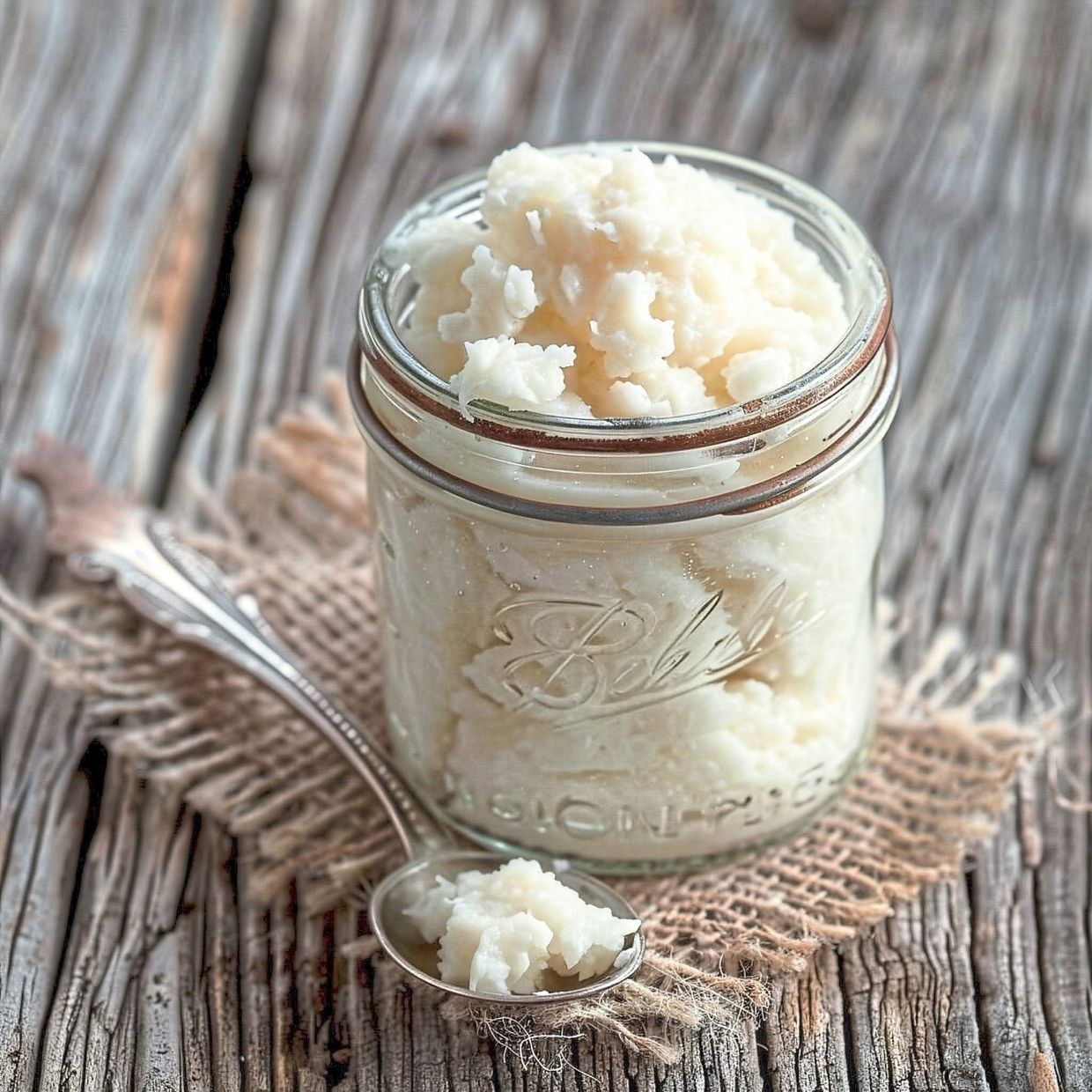
In many traditional Chinese households, a bowl or large jar of white, rendered lard is a staple of the kitchen, used for everything from stir-frying greens to making flaky pastries.
While Western dietary guidelines spent decades casting animal fats as the primary villains behind heart disease, many Chinese people plausibly point to the longevity and vitality of their grandparents who mostly used pork fat.
This cultural observation is now being met with a scientific reassessment that suggests lard has been unfairly maligned (as explained later), especially when compared to the highly processed industrial oils that often replaced it.
What exactly is lard?
Note that the column today explores only lard made from pork fat, which has a better health profile than many other animal fats.
Rendered from pig adipose (fatty) tissue – primarily back fat, belly fat, and “leaf fat” from around the kidneys – lard consists almost entirely (>95%) of triglycerides.
From a purely chemical standpoint, its profile is surprisingly balanced: it is 40% saturated fat, 45–50% monounsaturated fat, and about 10–15% polyunsaturated fat (PUFA).
I remember watching my mother render lard in a large pan over a charcoal-fired stove. The resulting liquid fat was pale golden, and turned white when cooled, a physical characteristic of its high saturated fat content.
The best parts were the delicious “scratchings” or “chee yau char”, the rendered crispy remnants of pork rind and fatty tissue.
However, the real surprise is that the dominant fat in lard is oleic acid – the same monounsaturated fatty acid that gives olive oil its famed “heart-healthy” status.
Because it contains this mix of fats, its metabolic effects can be superior compared to pure plant oils or high-saturated animal fats like butter.
When lard may make sense
The core of any “lard is better” argument does not necessarily claim that eating more pork fat is significantly healthier, but rather that lard behaves better under heat than many alternatives. This brings up the concept of thermal stability.
Every oil has a smoke point, which is the temperature at which it begins to burn and smoke. For lard, this is around 188–210°C, making it ideal for pan-frying and sautéing. However, research studies suggest that the smoke point is actually a secondary concern. The real danger for health is oxidation.
Most commercial vegetable oils – such as soybean, corn, and sunflower oils – are high in PUFAs. These fats have multiple “double bonds” in their chemical structure, which act as fragile points where heat and oxygen can easily break the molecule apart. When these oils are heated, they undergo oxidative degradation, producing toxic by-products like aldehydes (such as 4-hydroxynonenal), free radicals, and lipid peroxides.
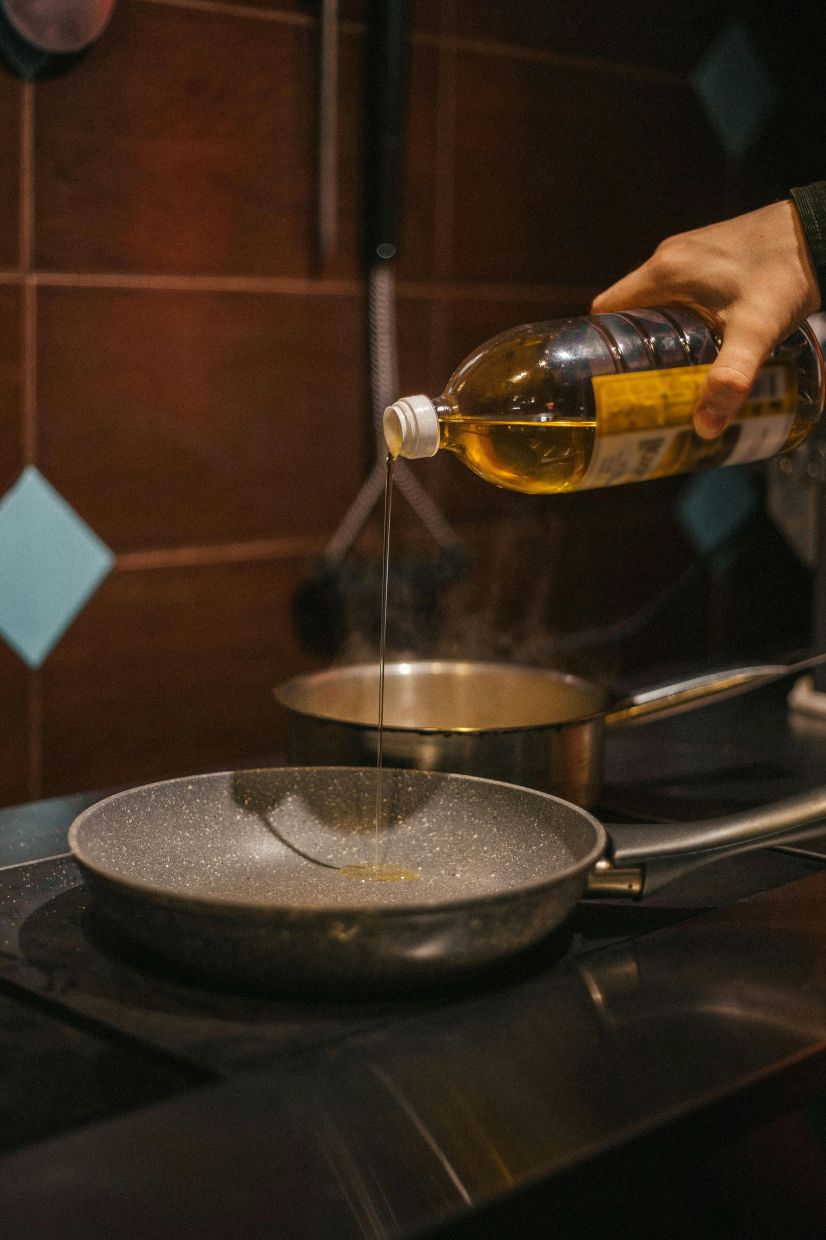
Lard, by contrast, has a relatively low PUFA content (around 10%). Because it is dominated by stable saturated and monounsaturated fats, it is much less prone to forming toxic compounds during cooking or frying. In contrast, in commercial kitchens where PUFA-rich oils are reused repeatedly, the resulting by-products can exceed safety limits for genotoxic effects.
Industrial seed oils
If you have ever walked past a fast-food shop and caught a whiff of a heavy, almost acrid odour, you are smelling the outcome of lipid oxidation and degradation. Commercial food outlets favour vegetable/seed oils not because they are healthy, but because they are cheap, neutral in flavour, and have high advertised smoke points.
However, oils with high smoke points do not automatically mean they are healthier. This is a common fallacy. The reason is that all oils can undergo “cascading oxidative bursts”, especially during overuse, releasing dangerous amounts of oxidised compounds.
Once ingested, oxidised lipids can potentially trigger systemic inflammation, cellular oxidative stress, and damage to the vascular endothelium (lining of blood vessels). Some studies have linked the ingestion of these by-products to neurodegeneration and cancer risk.
Furthermore, while commercial plant-based oils are widely marketed as “heart-healthy” because they lower LDL cholesterol, research data has been conflicting for decades.
Results from the Minnesota Coronary Experiment (MCE) on over 9,000 people between 1968-1973 showed that while replacing saturated fats with corn oil lowered cholesterol, it paradoxically also increased the risk of death (each 30 mg/dL reduction in serum cholesterol raised all-cause mortality risk by 22%).
Several studies since also corroborated the MCE findings. This suggests that the chemical stability of kitchen oils under heat is an important, and often under-considered, factor alongside their effects on blood cholesterol.
Satisfying fat?
Beyond its stability, lard offers an unusual “culinary satisfaction” factor. Because lard imparts a rich flavour and superior texture, cooks often find they can create more satisfying dishes with it. From personal experience, I consistently find that lard makes stir-fries taste better than using bland plant-based oils.
Not a superfood
Despite its recent rehabilitation, science warns against treating lard as a superfood to be consumed without limit. There are several evidence-based downsides:
1. Saturated fat load: Lard is still 40% saturated fat. Official dietary guidelines recommend keeping saturated fat below 10% of total daily calories, as high intake is associated with elevated LDL cholesterol, a major risk factor for cardiovascular disease.
2. Caloric density: Like all fats, lard provides nine calories per gram. It is easy to overconsume, which can lead to weight gain and potential metabolic complications.
3. “Hidden” trans-fats: This is perhaps the most important warning for consumers. While natural, un-hydrogenated lard contains zero trans-fats, many commercial, shelf-stable brands are “partially hydrogenated” to make them solid at room temperature and extend shelf life. These industrial trans-fats are irrefutably linked to heart disease.
4. Red/processed meat context: In many epidemiological studies, high lard use is associated with diets high in processed and red meats. This makes it difficult to separate the effects of the fat from the risks of colorectal cancer, type 2 diabetes, and metabolic syndrome which are often linked to heavy consumption of such meats.
History of stigma
Nothing about lard indicates any major unexpected negatives, so: Why did it have such a terrible reputation? Reviews of past papers found this was due to a “historical and cultural” shift based on flawed research, notably the “Seven Countries Study” which painted a strong but inaccurate connection between heart disease and animal fat consumption.
In the mid-20th century, as heart disease rates climbed, American researchers focused on this “lipid hypothesis,” which linked saturated animal fats to heart attacks.
This was capitalised on by the food industry, which marketed much cheaper margarine and vegetable/seed oils as “modern” and “scientific” alternatives to “old-fashioned” animal fats.
These companies successfully downplayed the serious risks of the trans-fats in their products while demonising traditional fats, including lard. Today, we are seeing a correction of this narrative as people realise that commercial oils can pose their own unique (and possibly greater) set of risks.
Lard for older people?
The long-running Chinese Longitudinal Healthy Longevity Survey was started in 1998 and in 2022/2023 published a study based on 15,242 adults aged 65 and older in China.
The results revealed strikingly lower atherosclerotic cardiovascular disease rates among lard users (17.46%) compared to those cooking with vegetable oils (31.68%). The study concluded that cooking with lard is a healthier option for older Chinese populations.
Use lard wisely
If you want to incorporate pork fat into your diet, it would be wise to apply a strategy of moderation and selection:
• Seek quality: Only use un-hydrogenated lard. Avoid blocks found on supermarket shelves that list “hydrogenated” oils in the ingredients.
• Choose the right use: Use lard for high-heat applications where heat stability matters – like frying, baking, or roasting. For cold dressings or low-heat cooking, stick to extra virgin olive oil, which remains the best choice for cardiovascular health.
• Avoid overuse: Never reuse lard repeatedly for deep-frying. Once lard darkens, smells “off,” or thickens, this indicates that it has accumulated dangerous oxidation products and should be discarded.
• Balance the plate: Use lard within a diet rich in vegetables, fibre, and omega-3 fats from fish and nuts. Lard should complement a plant-based diet, not dominate it.
Summary
Lard is neither a poison nor a miracle ingredient. It is a traditional, functional fat that offers superior stability in the frying pan compared to the easily oxidised vegetable/seed oils that have dominated industrial and home kitchens for 50+ years.
Food cooked with lard also tastes better to me in general. While we must remain mindful of total saturated fat and calorie intake, the science suggests that lard can indeed be a “healthier” choice for the kitchen when used properly.
The views expressed here are entirely the author’s own.